
You have prayed about it more times than you can count.
You have asked for peace, for strength, for the thing to lift. You have shown up on Sunday, served in three ministries, and told everyone you were fine, because that is what a strong person of faith does. And still, the anxiety is there when you wake up. The dread. The exhaustion that no amount of quiet time seems to touch. And somewhere underneath it all sits a quieter, heavier thought: if my faith were stronger, I would not feel this way.
Let's name that thought for what it is. It is not doctrine. It is shame wearing the costume of faith.
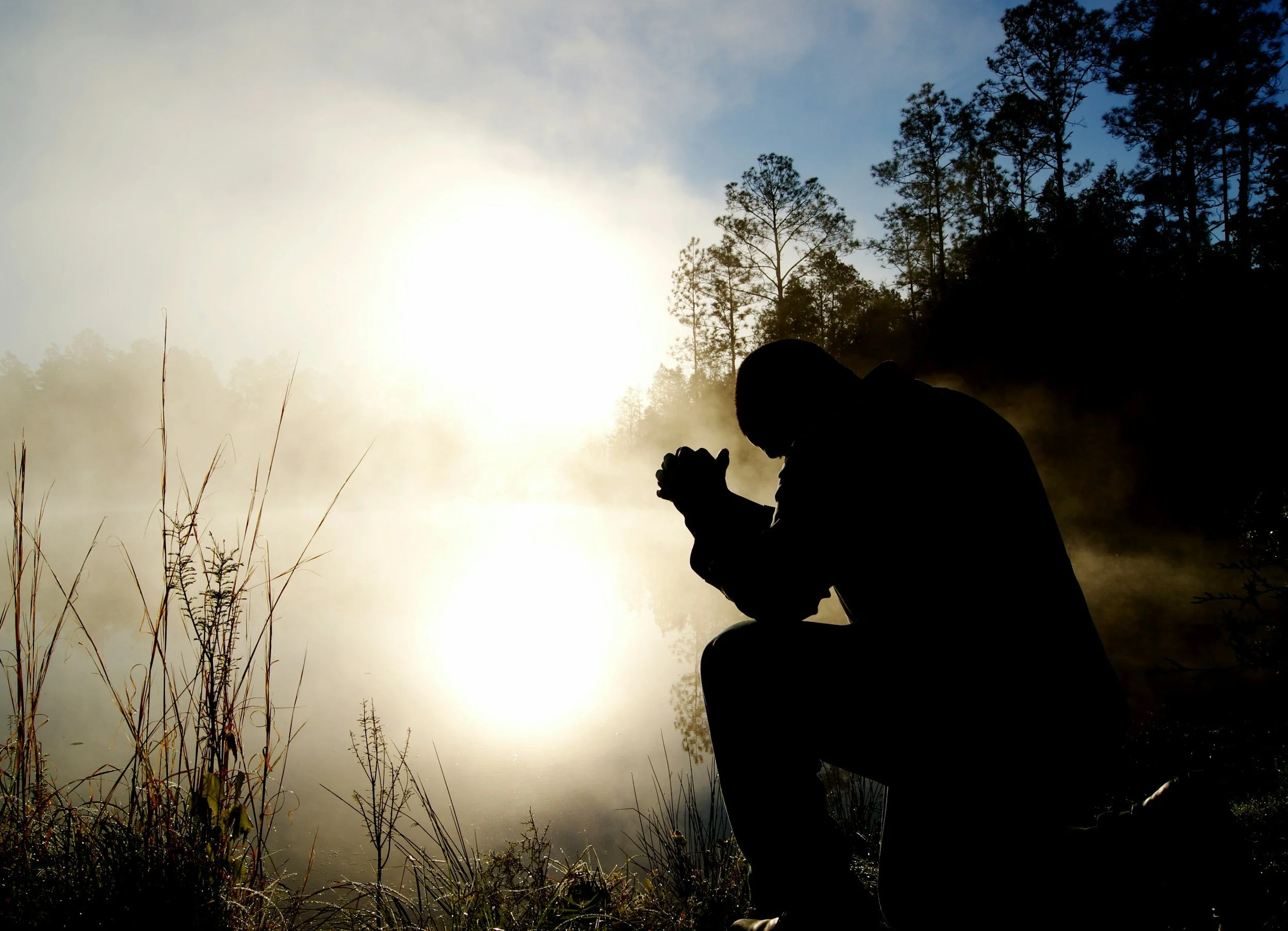
The belief that keeps good people suffering in silence
Somewhere along the way, a lot of us absorbed a message that was never actually in the text: that struggling means failing. That needing help is a lack of trust. That the faithful response to depression, anxiety, grief, or the wreckage of a hard family is to pray harder and keep it to yourself.
So you white-knuckle it. You perform wellness. You lead the group while quietly falling apart in the car afterward. You treat your own suffering as a character flaw to be prayed away instead of a wound to be tended. And the longer you carry it alone, the more the silence itself convinces you that you are the only one, that everyone else has the faith to cope and you simply do not.
That belief is not just heavy. It is wrong. And this month, faith leaders said so out loud.
What changed this week
In a pastoral letter released on July 13, 2026, a major body of church leaders addressed mental health directly and without hedging. Mental illness, they wrote, is not a sign of weak faith. It is not a punishment from God. Seeking medical or psychological help is not a lack of faith. In fact, they said, God's healing often comes through the dedicated service of doctors, psychologists, and counselors. They went further and apologized to families who had felt judged or unwelcome in their faith communities after losing someone to suicide.
Read that slowly if you need to. The people you might have feared would judge you for going to therapy are the ones now saying: go. Get the help. That was never a betrayal of your faith.
Because here is the truth that has always been true. You do not tell someone with a broken leg to pray it straight and skip the doctor. Caring for your mind is not more spiritual when you do it alone and suffering. It is not less faithful to sit across from a counselor than it is to sit in a pew. Both can be holy. Both can be how healing arrives.
What faith-integrated therapy actually does
When faith is part of who you are, you should not have to check it at the door to get good care, and you should not have to get a sermon in place of real clinical work either. Faith-integrated therapy holds both. Here is what that looks like in practice.
It makes room for the whole story. The anxiety, the burnout, the grief, the family that shaped you. We do not spiritualize your pain away or reduce it to a verse. We treat it as real, and we work on it.
It calms the body, not just the mind. So much of what you are carrying lives in your nervous system, which is why "just have more faith" has never made the dread go away. Somatic, body-based work helps your system come off high alert, so peace becomes something you can actually feel instead of something you keep failing to summon.
It untangles faith from fear. Many high achievers were handed a version of faith soaked in performance and self-abandonment, where rest felt like laziness and boundaries felt like sin. We gently separate what you actually believe from what fear and other people taught you to believe.
It gives you permission to set boundaries, including with family. If you were raised to think that honoring your parents means giving them unlimited access to hurt you, we look at that honestly. Honoring someone and protecting yourself are not opposites. You are allowed to love people and still be safe from them.
And if you want scripture and prayer woven in, we can. If you want your faith held quietly in the background while we do the clinical work, we can do that too. It is your therapy and your faith. You set the terms.
You were never meant to carry this alone
The strongest thing you can do is not to keep pretending you are fine. It is to let yourself be helped. You were built for connection, for support, for being carried when you cannot carry yourself. Needing that is not a failure of faith. It is the whole point of not being designed to do this alone.
I offer faith-integrated, somatic, and integrative therapy for high achievers across Michigan, entirely by telehealth, so you can be met exactly where you are, values and all.
Book a free 15-minute consult. Fifteen minutes, no pressure, no judgment, just a chance to be heard and to see if this is the right fit. Schedule your free consult here.
You have prayed about it. Now let someone help you carry it.
All the Best,
Kymberly Kremnitzer, LMSW
The Rooted Therapist MI, PLLC